


The short answer: turn the design into a line-item schedule by room type, quote every line at full room count, compare on-spec alternates before you commit, and stage deliveries to match your construction schedule. The biggest risks are hidden markups, items that go out of stock mid-project and deliveries that arrive before the floor is ready.
1. Build the schedule by room type
Start from the designer's spec book and break it into a schedule per room type: king, double queen, suite, ADA rooms and public areas. Each line needs a manufacturer, model number, finish and quantity per room. Multiply by room count to get the order quantity, and add overage for breakage, especially for tile and glass.
A typical renovation easily runs 150 to 200+ line items once bath accessories, lighting, mirrors, shower glass, tile and trim are included.
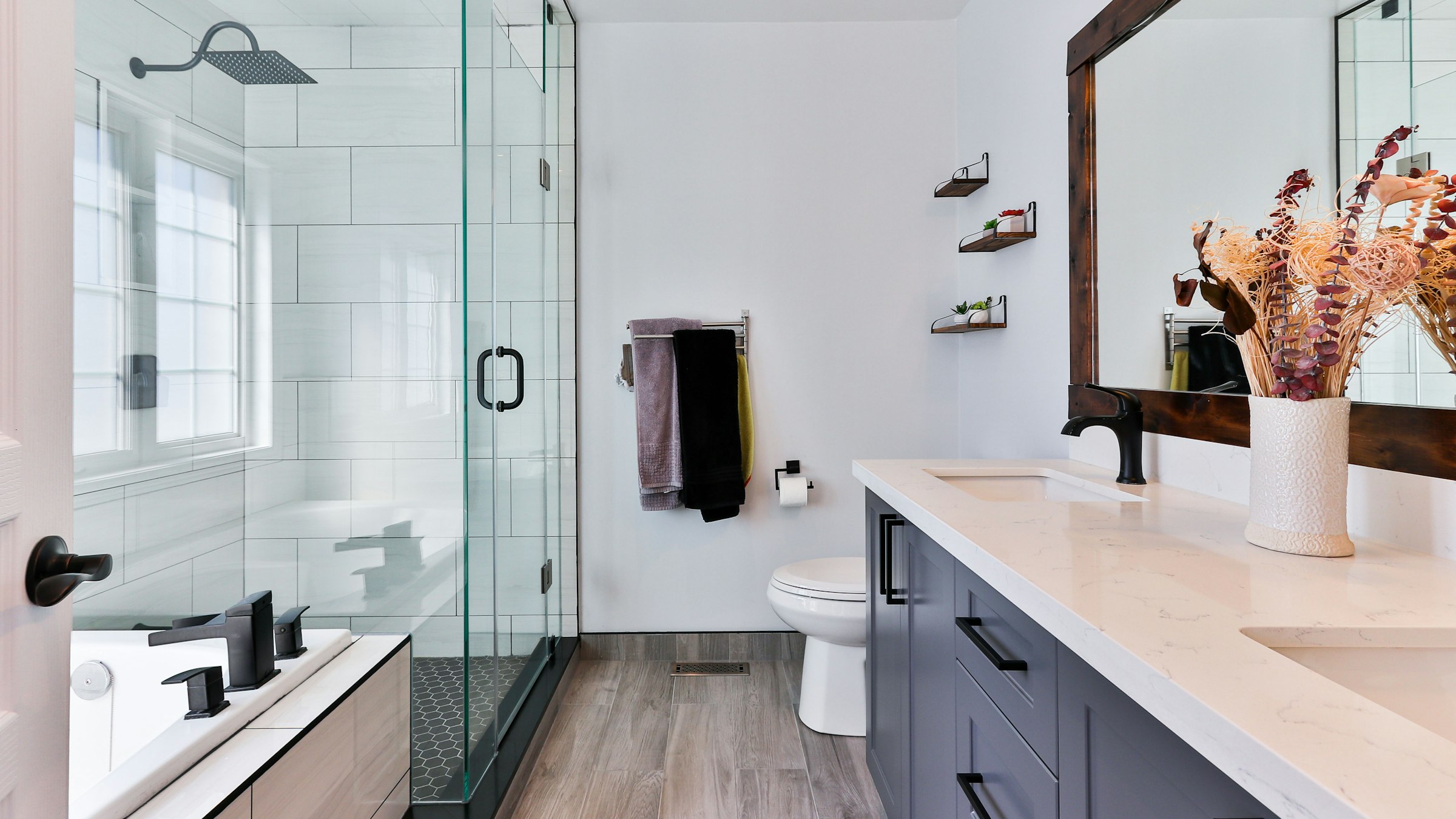
From a Bundle project: one boutique hotel renovation we supported included 200+ of each bath accessory, about 170 custom shower doors and thousands of pieces of marble mosaic. The owner compared five toilet paper holder options at full room count before choosing.
2. Quote at full quantity, item by item
Ask for pricing on every line at the real order quantity, not a lump sum. Item-level pricing shows where the money goes and makes it easy to swap a single expensive line without re-bidding the whole package. Lump-sum bids through a subcontractor often hide markup you can't see.
3. Compare alternates before you commit
For any line with budget pressure or long lead times, quote two to five on-spec alternates side by side. A small saving on one accessory multiplied by 200 rooms adds up, and an approved alternate protects the schedule if your first choice goes on backorder.
4. Check lead times early
Custom shower glass, specialty tile and lighting often have the longest lead times. Confirm them before you finalize selections, and order long-lead items first.
5. Stage deliveries to the schedule
Delivering everything at once fills the site with boxes and invites damage and theft. Stage deliveries by floor or phase, and track every line so you know what has shipped, what is delayed and what has arrived.
Common questions
What does FF&E stand for?
Furniture, fixtures and equipment: the movable and installed items that finish a space, from beds and lighting to bath accessories and mirrors.
Should the GC or the owner buy FF&E?
Either can. Buying directly gives the owner item-level pricing and control, while the GC or installer handles installation.
How much overage should I order?
It depends on the item. Tile and glass need more than fixtures; confirm with your installer for each material.
How Bundle helps
Bundle Procure quotes hotel and apartment quantities item by item, lines up alternates at full room count and tracks every delivery on one PO. See how it works for multifamily and hospitality →